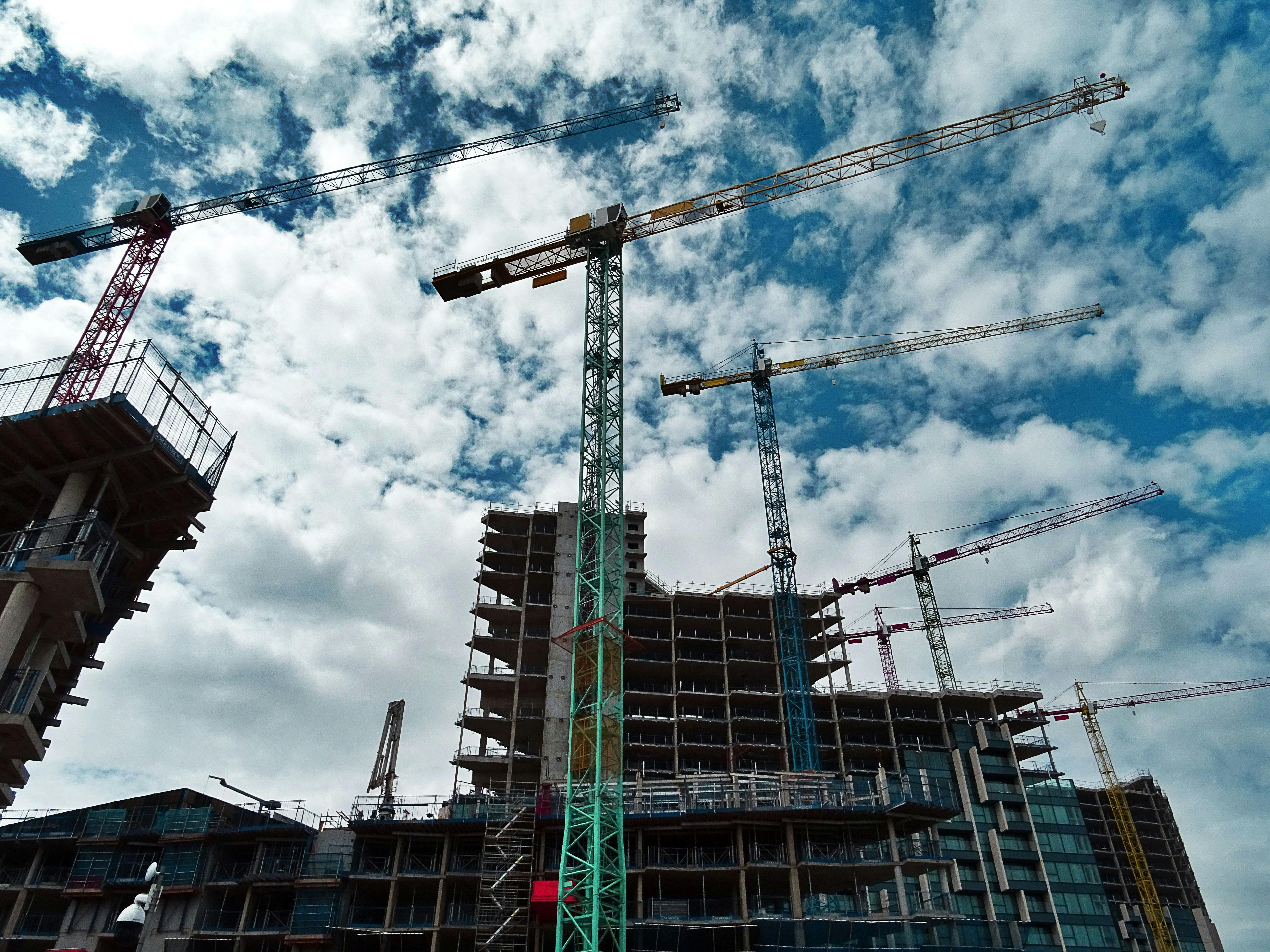
NetSuite for Construction: Building Efficiency, Accuracy, and Growth
Introduction
NetSuite for construction is rapidly becoming the leading solution for companies in the building, engineering, and contracting industries. The construction sector is one of the most dynamic and complex industries, where firms must juggle projects, budgets, materials, compliance, and client expectations; all while ensuring profitability. Outdated systems or manual methods often cause delays, errors, and miscommunication. With NetSuite for construction, businesses can overcome these challenges by leveraging a unified cloud-based ERP that connects financial management, project controls, supply chain, and workforce operations. By bringing every aspect of the construction process under one system, companies can achieve new levels of efficiency and scalability.
Why Construction Companies Need NetSuite
Construction companies are unique compared to other industries because their work revolves around projects, subcontractors, contracts, and regulatory compliance. Traditional ERP solutions are often not flexible enough to handle the dynamic workflows of construction. NetSuite for construction is designed with these needs in mind. It enables accurate project costing, integrated billing, resource planning, and compliance management. More importantly, being cloud-based allows real-time collaboration across job sites, offices, and suppliers. This ensures that everyone, from project managers to executives, works from the same source of truth.
End-to-End Project Management
Managing construction projects requires precision and real-time data. NetSuite for construction offers project management capabilities that link directly to financials, procurement, and workforce scheduling. Every project can be tracked against milestones, budgets, and timelines. Project managers gain visibility into costs and progress, while executives can evaluate performance across multiple projects. With better control, companies can avoid cost overruns, manage risks, and deliver projects on time and within budget.
Financial Management and Cost Control
Cost overruns are a major challenge in construction. NetSuite for construction provides advanced financial management features to ensure budgets remain accurate and up to date. It connects project expenses, payroll, subcontractor payments, and material purchases into one platform. Automating billing, accounts payable, and accounts receivable reduces errors and accelerates cash flow. With built-in dashboards, CFOs and financial controllers can monitor profitability in real time. The ability to drill down into costs by project, phase, or department allows firms to identify inefficiencies early and take corrective action.
Supply Chain and Procurement Management
The construction industry depends heavily on the timely delivery of materials and equipment. Delays in procurement often result in project setbacks and rising costs. NetSuite for construction streamlines supply chain management by integrating procurement, vendor management, and inventory tracking. Firms can forecast demand, automate purchase orders, and monitor supplier performance. This ensures that materials arrive on schedule and at negotiated prices. By reducing procurement inefficiencies, companies can maintain smooth operations and avoid costly project disruptions.
Workforce and Resource Allocation
Skilled labor is one of the most valuable resources in construction. Misallocation of workers often leads to inefficiencies and increased costs. NetSuite for construction provides tools to assign resources based on skills, certifications, and availability. It also tracks workforce productivity across projects. By having a clear view of utilization rates, companies can balance workloads, prevent delays, and ensure safety compliance. This optimizes labor costs while maximizing project output.
Compliance and Risk Management
Construction firms must adhere to a range of regulations, from safety standards to environmental requirements. Non-compliance can result in fines, delays, or reputational damage. NetSuite for construction includes compliance management features that track regulations, certifications, and audit trails. It helps companies maintain accurate records for inspections, manage safety protocols, and ensure that subcontractors meet compliance standards. This reduces legal and financial risks while ensuring long-term sustainability.
Real-Time Reporting and Analytics
Decision-making in construction requires timely insights into financials, project status, and resource utilization. NetSuite for construction includes robust reporting and analytics tools. Executives and project managers can access real-time dashboards that display KPIs such as project margins, costs, timelines, and labor utilization. These insights help leaders anticipate risks, identify bottlenecks, and make proactive adjustments. By leveraging analytics, firms can improve forecasting accuracy and maintain a competitive advantage in a fast-moving industry.
Multi-Subsidiary and Global Capabilities
Large construction firms often operate across regions or even internationally. NetSuite for construction is designed to handle multi-subsidiary, multi-currency, and multi-language operations. This allows for standardized processes across all subsidiaries while maintaining compliance with local laws. Consolidated reporting makes it easier for executives to gain a global view of performance while still drilling down into local operations. For growing firms, this capability ensures scalability without compromising efficiency.
Integration and Automation
Construction companies often rely on multiple systems for payroll, scheduling, or procurement. Disconnected systems create data silos and inefficiencies. NetSuite for construction can integrate with third-party applications while automating core processes. From timesheet approvals to automated billing, automation reduces manual workload and ensures consistency across the organization. Automation also improves collaboration between departments, vendors, and clients, reducing delays caused by communication gaps.
Scalability for Growth
As construction firms grow, they need systems that can scale without creating operational bottlenecks. NetSuite for construction, being cloud-based, scales seamlessly as projects, clients, and employees increase. Companies don’t need to worry about investing in additional hardware or separate systems as they expand. The system adapts to new requirements, whether it’s handling larger projects, new business models, or expanding into new markets. This scalability makes NetSuite a long-term solution for firms focused on sustainable growth.
Enhancing Client Satisfaction
Clients in the construction industry expect transparency, timely updates, and cost control. NetSuite for construction enables firms to provide clients with accurate, real-time updates on project progress, financials, and timelines. Improved visibility strengthens trust and fosters long-term relationships. By delivering projects on schedule and within budget, companies build reputations for reliability and professionalism.
Conclusion
NetSuite for construction is more than just an ERP system; it is a strategic platform that addresses the unique challenges of the construction industry. By combining project management, financial control, procurement, workforce management, and compliance into a single system, NetSuite transforms the way construction firms operate. With real-time visibility, automation, and scalability, firms can improve profitability, reduce risks, and deliver projects with precision. In an industry where margins are thin and competition is high, adopting NetSuite for construction provides a competitive edge that drives growth and long-term success.